-
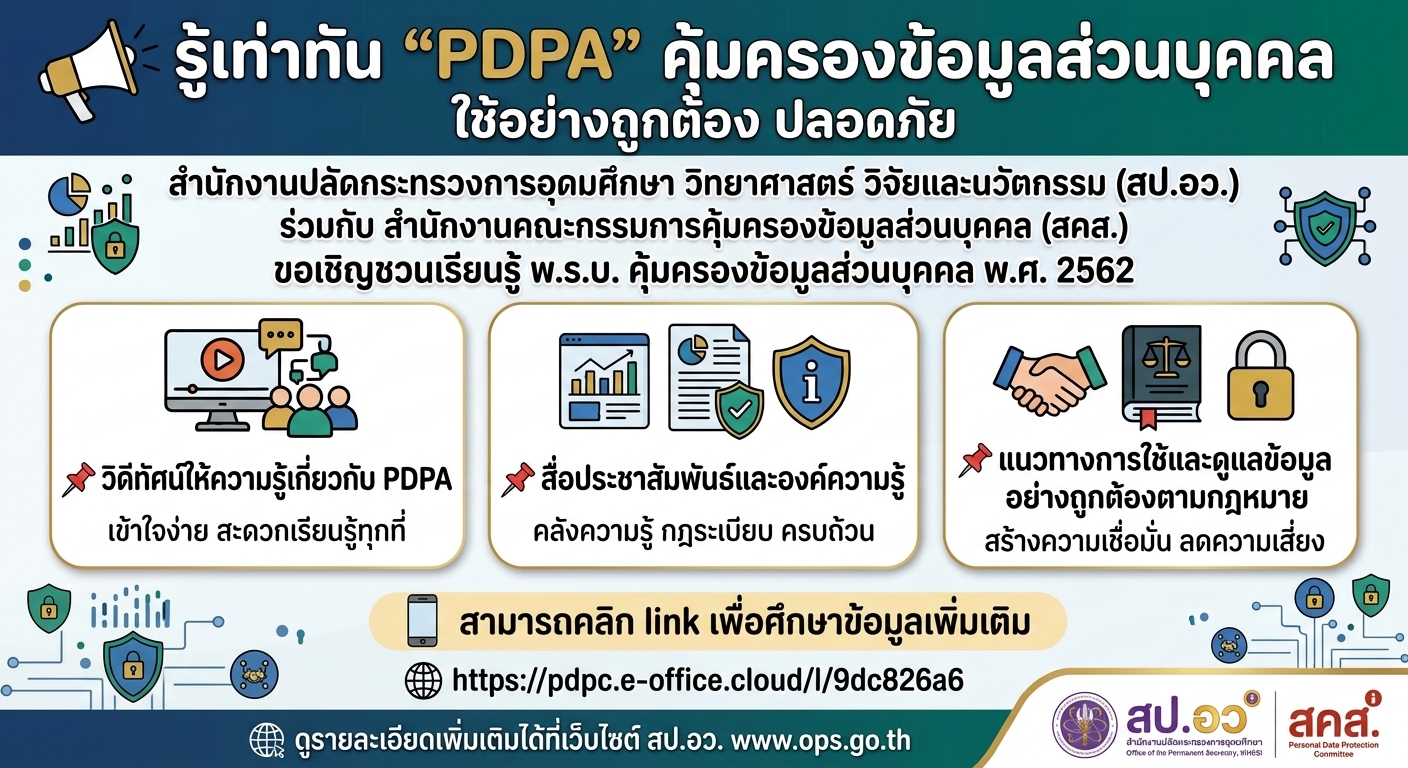
รู้เท่าทัน “PDPA” คุ้มครองข้อมูลส่วนบุคคล ใช้อย่างถูกต้อง ปลอดภัย
สำนักงานปลัดกระทรวงการอุดมศึกษา วิทยาศาสตร์ วิจัยและนวัตกรรม (สป.อว.) ขอประชาสัมพันธ์สื่อองค์ความรู้เกี่ยวกับ พระราชบัญญัติคุ้มครองข้อมูลส่วนบุคคล พ.ศ. 2562 (PDPA) จากสำนักงานคณะกรรมการคุ้มครองข้อมูลส่วนบุคคล (สคส.)
เพื่อสร้างความรู้ ความเข้าใจ และความตระหนักเกี่ยวกับการคุ้มครองข้อมูลส่วนบุคคลแก่ บุคลากร นิสิต นักศึกษา และประชาชนทั่วไป ลดความเสี่ยงจากการเก็บ ใช้ หรือเปิดเผยข้อมูลส่วนบุคคลอย่างไม่เหมาะสม
📌 สื่อความรู้ประกอบด้วย
• วิดีทัศน์ให้ความรู้เกี่ยวกับ PDPA
• สื่อประชาสัมพันธ์และองค์ความรู้ด้านการคุ้มครองข้อมูลส่วนบุคคล
• แนวทางการใช้และดูแลข้อมูลส่วนบุคคลอย่างถูกต้องตามกฎหมาย
สามารถสแกน QR Code ตามเอกสารประชาสัมพันธ์เพื่อศึกษาข้อมูลเพิ่มเติม
-
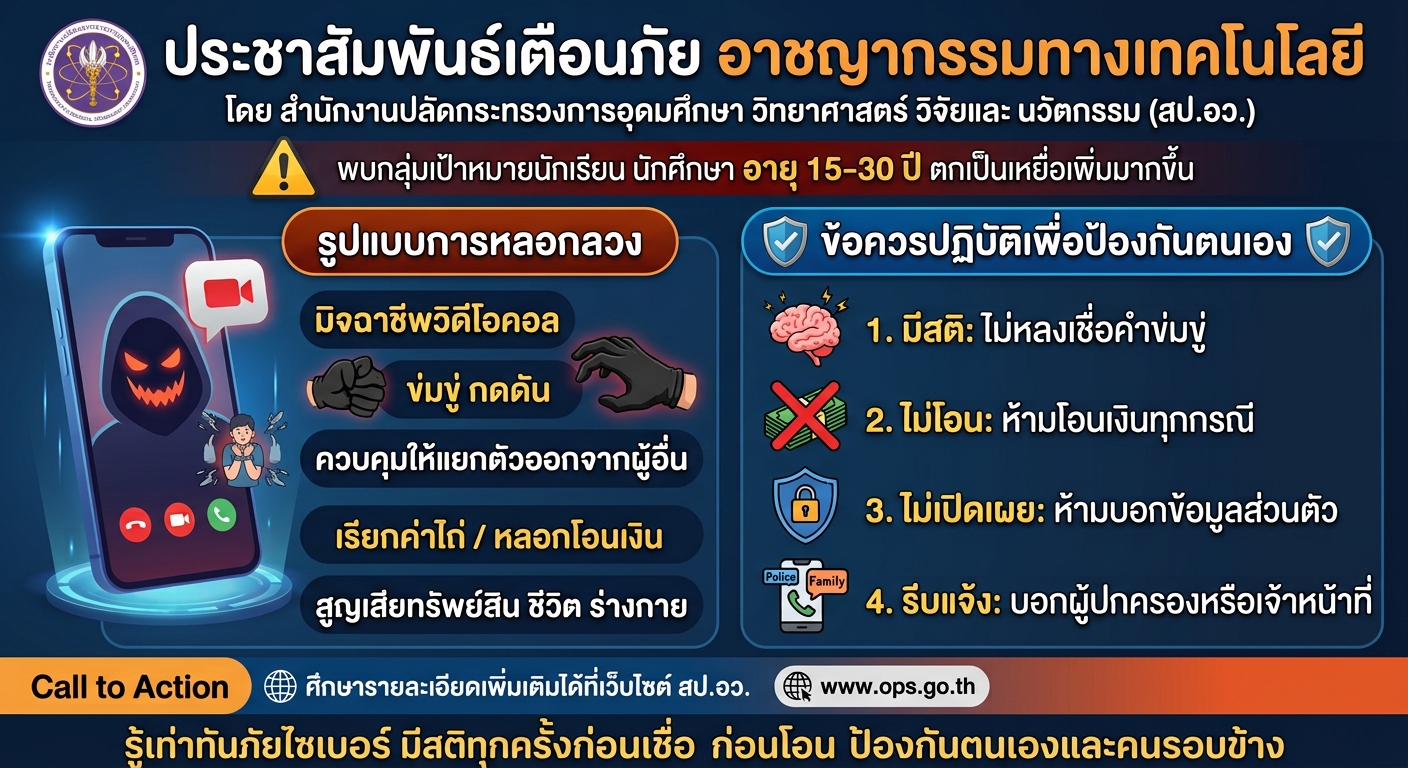
สำนักงานปลัดกระทรวงการอุดมศึกษา วิทยาศาสตร์ วิจัยและนวัตกรรม (สป.อว.) ขอประชาสัมพันธ์เตือนนักเรียน นักศึกษา และประชาชน ให้เพิ่มความระมัดระวัง ภัยจากอาชญากรรมทางเทคโนโลยี ซึ่งปัจจุบันพบว่ากลุ่มนักเรียนและนักศึกษา อายุประมาณ 15–30 ปี ตกเป็นเหยื่อเพิ่มมากขึ้น
มิจฉาชีพมีรูปแบบการหลอกลวงผ่าน วิดีโอคอล ใช้วิธีข่มขู่ กดดัน หรือควบคุมให้เหยื่อแยกตัวออกจากบุคคลรอบข้าง ก่อนนำไปสู่การ เรียกค่าไถ่หรือหลอกให้โอนเงิน ซึ่งอาจสร้างความสูญเสียต่อชีวิต ร่างกาย และทรัพย์สิน
⚠️ ขอให้ทุกคนมีสติ ไม่หลงเชื่อคำข่มขู่ ไม่โอนเงิน ไม่เปิดเผยข้อมูลส่วนตัว และรีบแจ้งผู้ปกครองหรือเจ้าหน้าที่เมื่อพบเหตุผิดปกติ
-

สำนักงานคณะกรรมการคุ้มครองผู้บริโภค (สคบ.) ขอเผยแพร่บทความและอินโฟกราฟิกความรู้ด้านการคุ้มครองผู้บริโภค เพื่อให้ประชาชนรู้เท่าทัน เข้าใจสิทธิของตนเอง และสามารถป้องกันปัญหาที่อาจเกิดขึ้นในชีวิตประจำวัน จำนวน 6 เรื่อง ได้แก่
1.กฎหมายว่าด้วยข้อสัญญาที่ไม่เป็นธรรม
รู้ทันข้อสัญญา ป้องกันการถูกเอาเปรียบก่อนตัดสินใจลงนาม
2.เจาะลึกกฎหมายสินค้าไม่ปลอดภัย (PL Law) และกรณีศึกษาใกล้ตัว
ทำความเข้าใจสิทธิของผู้บริโภคเมื่อได้รับความเสียหายจากสินค้า
3.เข้าใจความต่างระหว่างธุรกิจขายตรงเครือข่าย (MLM) ที่ถูกกฎหมาย กับแชร์ลูกโซ่
รู้จักสังเกตและแยกแยะก่อนตัดสินใจลงทุนหรือเข้าร่วมธุรกิจ
4.อินโฟกราฟิก “ฉลากยางรถยนต์นั้นสำคัญ”
เลือกซื้อยางอย่างรู้ข้อมูล เพิ่มความปลอดภัยในการใช้รถใช้ถนน
5.อินโฟกราฟิก “เขตปลอดบุหรี่ตามกฎหมาย”
รู้พื้นที่ห้ามสูบบุหรี่ เพื่อปฏิบัติได้อย่างถูกต้องและคุ้มครองสุขภาพของคนรอบข้าง
6.อินโฟกราฟิก “สิทธิเมื่อซื้อของออนไลน์ รู้ไว้ไม่เสียเปรียบ”
ช้อปออนไลน์อย่างมั่นใจ รู้สิทธิและแนวทางรับมือเมื่อเกิดปัญหา
-
The objectives of this research were to study the current situation, formulate and evaluate the suitability and feasibility of the professional development enhancement model for new human resources in border universities in Guangxi. The sample group of this research included 210 new human resources from 3 border universities in Guangxi. The interviewees included 12 people. The experts who evaluated included 9 people. Research instruments included a questionnaire, structured interview, and evaluation form. Data were analyzed by percentage, mean, standard deviation, and content analysis.
The results found that the current situation was at high level. Among those,
the mean was content focus, followed by active learning, collaboration, and duration,
while reflection had the lowest mean. The professional development enhancement
model for new human resources in five aspects contained 46 measures. There are
9 measures for enhancing active learning, 9 measures for strengthening collaboration,
9 measures for optimizing duration, 10 measures for enhancing content focus, and
9 measures for strengthening reflection. The model was highly suitable and feasible
for supporting new human resources’ professional development.
Keywords: Enhancement Model, Professional Development, Border Universities in Guangx
-
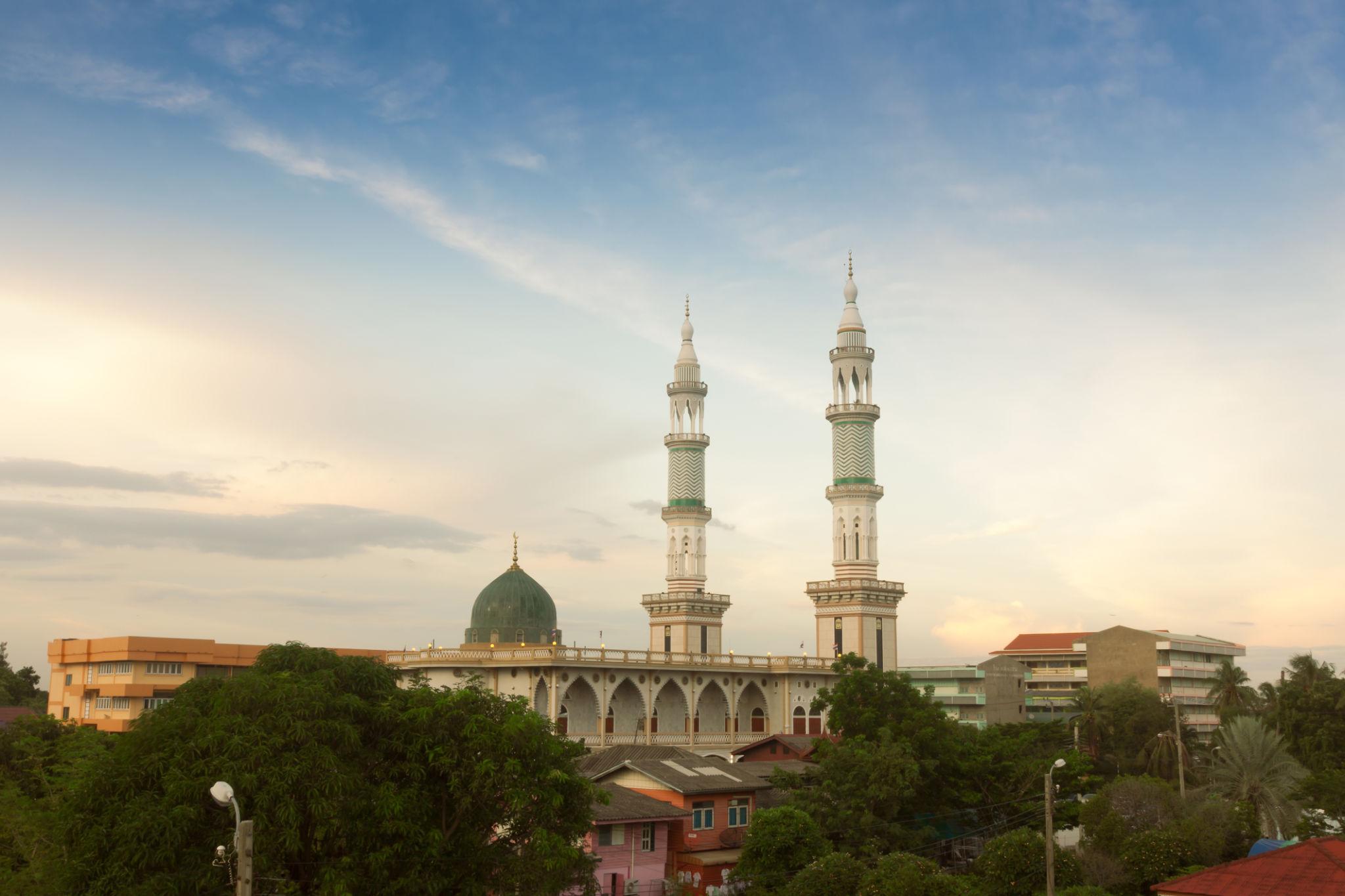
มัสยิดหลวงอันซอริซซุนนะห์ หรือที่รู้จักในชื่อ สุเหร่าบางกอกน้อย เป็นศาสนสถานเก่าแก่ที่มีความสำคัญอย่างยิ่งต่อประวัติศาสตร์ของชุมชนมุสลิมริมคลองบางกอกน้อย แหล่งข้อมูลระบุว่าชุมชนแห่งนี้มีรากฐานมาจากการตั้งถิ่นฐานของชาวมุสลิมตั้งแต่สมัยกรุงศรีอยุธยาและยุคธนบุรี ซึ่งสะท้อนถึงการเป็นสังคมพหุวัฒนธรรมที่อยู่ร่วมกันอย่างสันติสุขมาอย่างยาวนาน ปัจจุบันมัสยิดไม่ได้ทำหน้าที่เพียงแค่เป็นสถานที่ประกอบพิธีกรรมทางศาสนาเท่านั้น แต่ยังเป็น ศูนย์กลางการศึกษา และพื้นที่รักษา อัตลักษณ์ทางวัฒนธรรม ของท้องถิ่นให้คงอยู่สืบไป นอกจากนี้ เนื้อหายังเน้นย้ำถึงคุณค่าในการอนุรักษ์อาคารและวิถีชีวิตดั้งเดิม เพื่อให้เป็นมรดกทางสังคมที่แสดงถึงความหลากหลายและความเป็นมาของพื้นที่ฝั่งธนบุรี การรักษาสถานที่แห่งนี้จึงเปรียบเสมือนการจดบันทึกประวัติศาสตร์ที่มีชีวิตของชาวไทยมุสลิมในลุ่มแม่น้ำเจ้าพระยาได้อย่างชัดเจนที่สุด
-

บ้านกัลยาณวณิชเป็นแหล่งผลิตลูกแป้งข้าวหมากแบบโบราณที่หลงเหลือเพียงไม่กี่แห่งในย่านคลองสมเด็จเจ้าพระยา เขตคลองสาน โดยสืบทอดภูมิปัญญาการทำเชื้อหมักธรรมชาติจากส่วนผสมของแป้งและสมุนไพรมาหลายชั่วอายุคน กระบวนการผลิตยังคงเน้นกรรมวิธีดั้งเดิม ตั้งแต่การปั้นก้อนไปจนถึงการตากแดดเพื่อให้ได้จุลินทรีย์ที่มีคุณภาพสำหรับใช้หมักอาหาร แม้ปัจจุบันจะเผชิญกับความท้าทายจากสินค้าสำเร็จรูป แต่ที่นี่สถานะเป็นทั้งแหล่งเรียนรู้ทางวัฒนธรรมและตัวแทนวิถีชีวิตริมคลองที่เชื่อมโยงวิทยาศาสตร์การอาหารเข้ากับความรู้พื้นบ้านไทยอย่างลงตัว การคงอยู่ของบ้านกัลยาณวณิชจึงมีความสำคัญอย่างยิ่งต่อการอนุรักษ์องค์ความรู้ท้องถิ่นที่เสี่ยงต่อการสูญหายในสังคมยุคใหม่
-
ระบั่น เป็น เครื่องหอมโบราณ อันทรงคุณค่าซึ่งสืบทอดมาจากภูมิปัญญาของชาว มุสลิมชีอะห์ หรือกลุ่มเจ้าเซ็นในประเทศไทย โดยนิยมใช้ประกอบใน พิธีกรรมสำคัญ ช่วงเดือนมุฮัรรอมเพื่อสร้างบรรยากาศอันศักดิ์สิทธิ์และรำลึกถึงประวัติศาสตร์ เอกลักษณ์ของเครื่องหอมนี้เกิดจากการนำ สมุนไพรและไม้หอม หลายชนิด เช่น อ้อยแดง ใบชะลูด และจันทน์หอม มาผสมผสานกับน้ำตาลทรายแดงและกำยานตามกรรมวิธีดั้งเดิม หลักฐานทางประวัติศาสตร์ชี้ให้เห็นว่ามีการใช้ระบั่นมานานนับตั้งแต่สมัย กรุงศรีอยุธยา ดังที่ปรากฏในบันทึกของชาวต่างชาติที่เดินทางเข้ามาในสยาม ปัจจุบันประเพณีการปรุงเครื่องหอมนี้ยังคงได้รับการรักษาไว้ใน ชุมชนย่านฝั่งธนบุรี เช่น กุฎีหลวงและกุฎีเจริญพาศน์ เพื่อใช้สำหรับอบร่ำเสื้อผ้าและประโคมในงานพิธี การทำระบั่นจึงไม่เพียงแต่เป็นการปรุงกลิ่นหอม แต่ยังเป็นการสืบทอด มรดกทางวัฒนธรรม ที่หาดูได้ยากในสังคมปัจจุบัน
-
บทความฉบับนี้นำเสนอรายละเอียดเกี่ยวกับ ประวัติและบทบาทของมหาดเล็ก ซึ่งเป็นข้าราชบริพารผู้ใกล้ชิดพระมหากษัตริย์ไทยมาแต่โบราณ โดยอธิบายถึง โครงสร้างการแบ่งลำดับชั้นงาน ทั้ง ๗ ชั้น ตั้งแต่ระดับผู้บังคับบัญชาสูงสุดไปจนถึงมหาดเล็กวิเศษที่มีหน้าที่เฉพาะทาง เนื้อหาเน้นย้ำถึง การปฏิรูปในสมัยรัชกาลที่ ๕ ที่มีการจัดตั้งโรงเรียนมหาดเล็กหลวงเพื่อฝึกหัดระเบียบวินัย กิริยามารยาท และการใช้ราชาศัพท์อย่างถูกต้อง นอกจากนี้ยังระบุถึง หน้าที่ความรับผิดชอบที่หลากหลาย เช่น การถวายงานรับใช้ส่วนพระองค์และการดูแลพระราชพาหนะ ซึ่งสะท้อนให้เห็นว่าตำแหน่งนี้เป็นเสมือน รากฐานสำคัญในการบ่มเพาะบุคลากร เพื่อก้าวไปสู่การเป็นข้าราชการชั้นผู้ใหญ่ในอนาคต บทสรุปของแหล่งข้อมูลชี้ให้เห็นว่ามหาดเล็กมิได้เป็นเพียงผู้รับใช้ แต่เป็น สถาบันฝึกฝนวิชาชีพและจริยธรรม ที่สืบทอดเอกลักษณ์ทางวัฒนธรรมของราชสำนักไทยไว้อย่างเหนียวแน่น
-
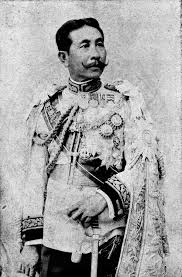
บทความนี้กล่าวถึงการเปลี่ยนชื่อ อาคาร ๒๗ ของมหาวิทยาลัยเป็นอาคาร “เจ้าพระยาสุรวงศ์วัฒนศักดิ์ (โต บุนนาค)” เพื่อเป็นการยกย่องเชิดชูเกียรติแก่บุคคลสำคัญในประวัติศาสตร์ไทย โดยรายละเอียดได้ครอบคลุมถึงกระบวนการ ออกแบบป้ายชื่อ และการสร้างสรรค์ ภาพสัญลักษณ์ประจำอาคาร ที่ผสานเทคนิคจิตรกรรมไทยดั้งเดิมเข้ากับศิลปะสากล ผู้ออกแบบได้ใช้แรงบันดาลใจจากประวัติและเครื่องราชอิสริยาภรณ์ของท่านมาถ่ายทอดเป็นผลงานที่มีความหมายเชิงสัญลักษณ์อันลึกซึ้ง นอกจากนี้ยังมีการอธิบายถึงขั้นตอนการทำงานศิลปะอย่างเป็นระบบ ตั้งแต่การศึกษาข้อมูล การวางแนวคิด ไปจนถึงการลงมือสร้างสรรค์ภาพเพื่อประดับไว้เป็นอนุสรณ์ประจำสถานที่แห่งนี้ให้มีความสง่างามสืบไป
-
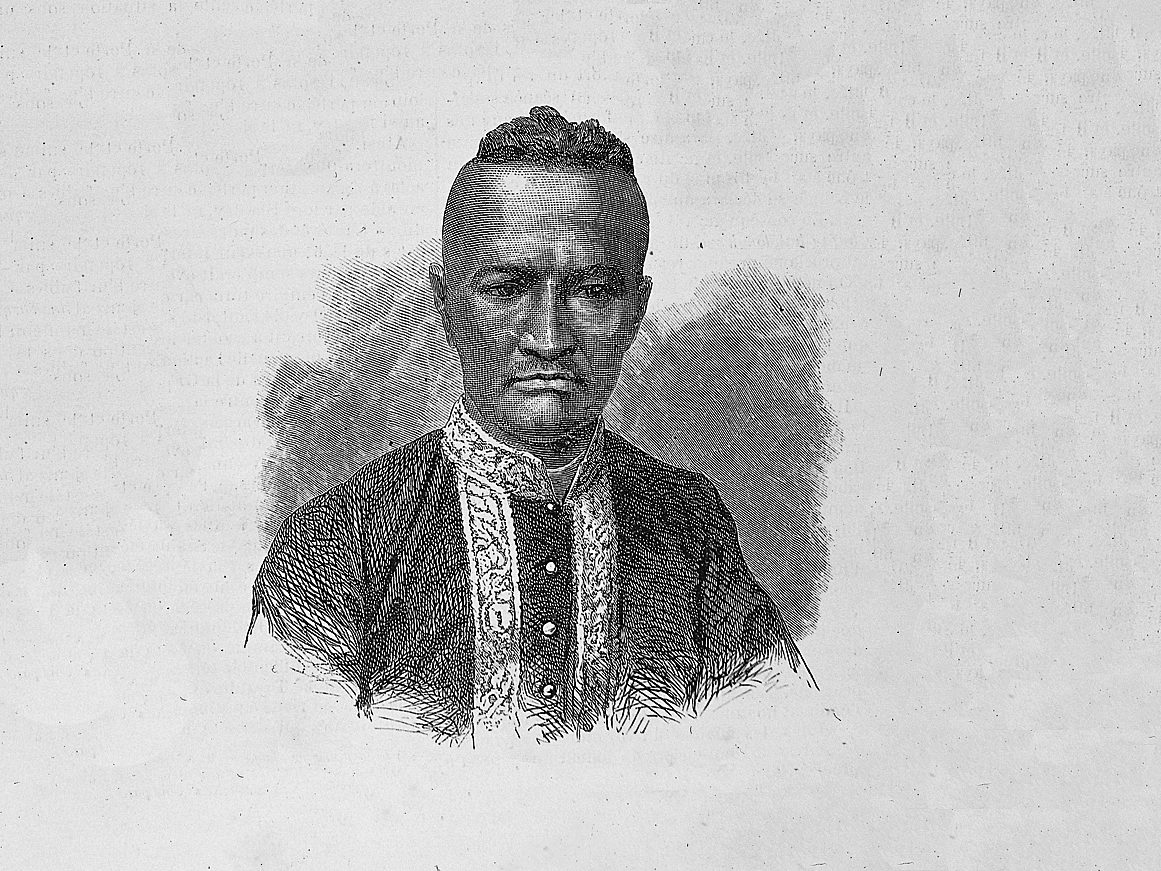
บทความฉบับนี้นำเสนออัตชีวประวัติและบทบาทสำคัญของ สมเด็จเจ้าพระยาบรมมหาศรีสุริยวงศ์ (ช่วง บุนนาค) ในฐานะผู้วางรากฐานการพัฒนา โครงสร้างพื้นฐาน และ แหล่งท่องเที่ยว ของประเทศไทยในสมัยรัชกาลที่ 4 และ 5 ท่านมีส่วนสำคัญอย่างยิ่งในการวางผังเมืองและตัดถนนสายสำคัญอย่าง ถนนเจริญกรุง รวมถึงการขุดคลองหลายแห่ง เช่น คลองภาษีเจริญ และ คลองดำเนินสะดวก ซึ่งช่วยส่งเสริมการคมนาคมและการค้าขายให้รุ่งเรือง นอกจากงานด้านวิศวกรรมทางน้ำแล้ว ท่านยังเป็นผู้อำนวยการก่อสร้าง พระนครคีรี และพระราชวังหลายแห่งที่มีความสวยงามทางสถาปัตยกรรมระดับสูง ความมุ่งมั่นในการปรับปรุงบ้านเมืองให้ทันสมัยตามแบบสากลของท่าน ไม่เพียงแต่ช่วยอำนวยความสะดวกในอดีต แต่ยังส่งผลให้พื้นที่เหล่านั้นกลายเป็น มรดกทางวัฒนธรรม และจุดหมายปลายทางของการท่องเที่ยวที่สำคัญมาจนถึงปัจจุบัน สรุปได้ว่าผลงานของท่านเป็นรากฐานของการเปลี่ยนผ่านประเทศไทยสู่ความทันสมัยผ่าน การจัดการคมนาคม และการสร้างสรรค์สถาปัตยกรรมที่ทรงคุณค่า
-
The rapid expansion of the organic food market within China's hospitality sector presents a unique opportunity to examine sustainable consumption behaviors. However, the specific mechanisms driving customer loyalty in organic restaurants located within five-star green hotels remain under-researched. This study aims to develop and empirically validate the Integrated Model of Price Fairness, Food Quality, and Perceived Value on Customer Loyalty (IPF-PV-CL Model) to determine the direct and indirect antecedents of customer loyalty in this specific context. Employing an exploratory sequential mixed-methods design, this research first conducted semi-structured interviews with 20 industry experts to ensure the content validity and contextual relevance of the research instrument, particularly regarding dimensions of cultural experience and health cues. Subsequently, quantitative data were collected via a survey of 562 customers who had recently dined at organic restaurants within 28 certified five-star green hotels in Guangdong Province, China. The hypothesized relationships were tested using Covariance-Based Structural Equation Modeling (CB-SEM) via AMOS software. The results supported 13 of the 14 proposed hypotheses. Specifically, Perceived Food Quality was identified as a foundational driver, exerting a strong positive influence on Price Fairness (β=0.724), Perceived Value, and Customer Satisfaction. Price Fairness was found to significantly impact Perceived Value, Customer Satisfaction, and Customer Loyalty. Notably, the direct relationship between Food Quality and Customer Loyalty was not statistically significant, indicating a full mediation effect. This suggests that while high-quality food is essential, it translates into loyalty only when mediated through positive perceptions of value and satisfaction. The findings contribute to Cue Utilization Theory and Equity Theory by validating the nuanced roles of cultural experience and price fairness in a non-Western context. In practice, the study suggests that hotel managers must leverage cultural storytelling and transparent pricing strategies to translate food quality into perceived value, thereby fostering enduring customer loyalty in the competitive green hospitality market.
Keywords: Customer Loyalty, Green Hotels, Organic Dining, Price Fairness, Perceived Value, Structural Equation Modeling.
-
The purposes of this research are: 1) to identify the needs and components of digital whiteboard integration in Business Negotiation teaching, 2) to develop and pilot a digital whiteboard-supported Teaching Debate Model, and 3) to evaluate the effectiveness of the model through an experimental and control group comparison.
The population of this research included 320 undergraduate students across four academic years and five instructors at Siam University. The sample group was selected through stratified random sampling, with 175 students participating in the Phase 1 needs assessment, 25 students in the Phase 2 pilot study, and 100 students (50 in the experimental group and 50 in the control group) in the Phase 3 evaluation. The main research instruments include questionnaires, interview guides, observation forms, test papers, and digital whiteboard log analysis. Both quantitative and qualitative methods were employed, and statistical tools used for analysis included percentage, mean, standard deviation, t-test, factor analysis, and thematic analysis.
The results were found that: Firstly, Students and instructors reported strong needs and expectations for digital whiteboard integration, and factor analysis confirmed two main components of need, namely perceived engagement and instructional potential, and digital confidence and readiness. Secondly, The digital
whiteboard-supported Teaching Debate Model was developed based on Constructivist Learning Theory and refined through pilot testing. The finalized model included an orientation workshop, segmented whiteboard tasks, instructor moderator tools, and peer evaluation prompts, ensuring pedagogical soundness and practical feasibility.
Thirdly, The evaluation in Phase 3 confirmed that the experimental group significantly outperformed the control group in post-test scores (M = 79.84, SD = 6.81 vs. M = 71.18, SD = 7.65, p < 0.001). Qualitative feedback further highlighted improved participation, argument structuring, and confidence in debate performance. These
findings confirm that the digital whiteboard-supported Teaching Debate Model is effective, innovative, and scalable for enhancing Business Negotiation education.
Keywords: Digital whiteboard, Teaching Debate Model, Business Negotiation, Undergraduate students